If you’ve been hunting for Hershey’s cocoa powder lately—especially those classic 8-ounce cans—you’re probably frustrated. Grocery store shelves that once had rows of Hershey’s Special Dark or Natural Unsweetened are now mostly empty. And if you check Hershey’s official website, it’s right there: “We’re sorry… facing stock challenges… most stores are currently sold out.” This isn’t just a fluke supply issue or a TikTok recipe trend. There’s a bigger, global story behind these bare shelves.
Climate Change Is Choking Cocoa Farms
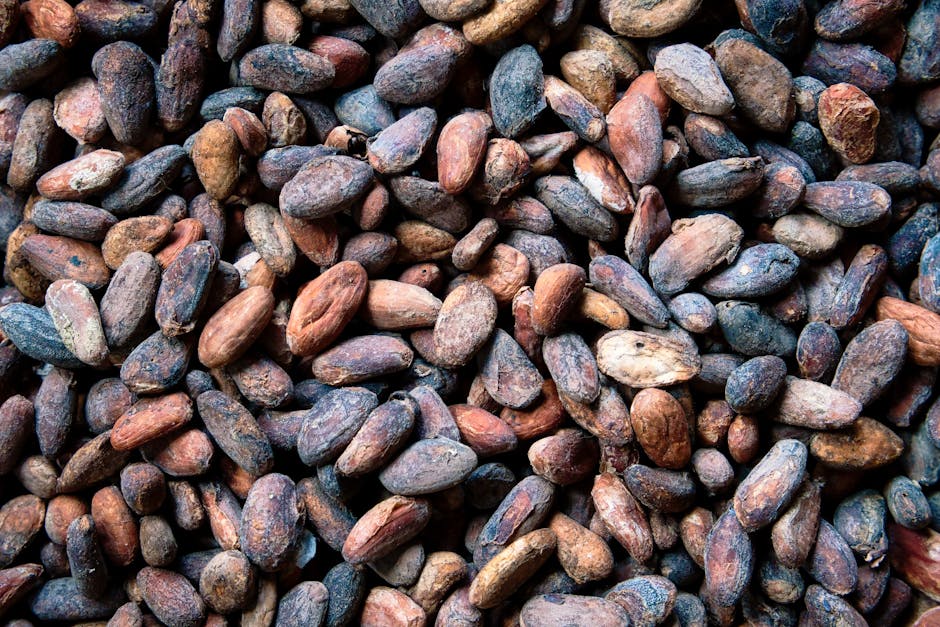
Cocoa doesn’t exactly grow everywhere. Most of the world’s cocoa beans come from West Africa, especially Côte d’Ivoire and Ghana. Lately, these regions have been slammed by unpredictable weather—drought one season, crazy rains the next. Cocoa trees are sensitive. They don’t handle extremes well, so crop yields have taken a real hit.


It’s not just the weather, though. Cocoa trees are getting knocked by viruses and fungal diseases that spread faster in a stressed, warmer climate. Some farmers have lost huge portions of their crops to issues like swollen shoot virus or black pod disease. Imagine working a farm for a year and then watching a fungus wipe out your harvest. It’s no wonder many are quitting altogether.
Farmers Are Leaving Cocoa for Greener Pastures
So, you’d think with cocoa prices high, farmers would be making a killing, right? Turns out, most cocoa farmers get paid very little—even when the price on the world market is sky-high. The tough working conditions and low pay have pushed a lot of people out of the business.
More and more farmers are switching to crops like rubber or cashews, which are less risky. Some are even getting into small-scale mining, which pays better (at least for now). And when lots of farmers walk away, cocoa supplies drop, making shortages even worse.
Cocoa Prices Are Wild—And the Market Is Messy
You’ve probably seen headlines talking about “record-high cocoa prices.” The funny thing is, this year, West Africa actually produced a bit more cocoa than before. Newer regions in Asia and Latin America are also stepping up, growing nearly half of the world’s cocoa now.
So, why are cocoa prices still so high? Here’s where things get weird. The way cocoa is traded between countries and on stock exchanges is getting super complicated. Even when physical cocoa beans in Ghana or Côte d’Ivoire are a little cheaper, the prices traded on global exchanges swing all over the place. That’s because the market itself is acting up—there aren’t enough real beans to go around, and trading is thinner than usual. This disconnect makes it risky (and expensive) for big companies to buy at the right time.
When prices spike unexpectedly, companies like Hershey have to decide—do they buy now and risk overpaying, or wait and hope for a drop? It’s a balancing act, and sometimes that means holding back supply to regular stores when costs are wild.
Hershey’s Shelves Are Empty, But Bulk’s Still Around
If you search for Hershey’s cocoa at Target or Walmart, you’ll likely get an apology notice. Both Special Dark and Natural Unsweetened are “sold out” almost everywhere. That’s true even for Hershey’s own site. But for bakeries, restaurants, and big food producers, Hershey’s bulk cocoa—like 25-pound boxes—is still listed as available.
Why does that matter? It shows Hershey is prioritizing their biggest customers right now. Foodservice and manufacturing partners need a steady supply, or they could lose huge contracts. Regular shoppers, baking at home, might just have to wait.
So yes, Hershey is still making cocoa powder. The supply just isn’t enough to keep every shelf stocked. When things get tight, the retail packs for home kitchens have to take a backseat.
Efforts From Hershey to Fix the Crisis
Hershey isn’t just sitting back. They’re actually investing in new supply chains to source cocoa from more regions. Instead of relying only on West African beans, they’re expanding in places like South America and Southeast Asia. Some of these new regions are now growing cocoa at a rate of 10% higher per year.
At the same time, Hershey is getting creative about managing risk. They monitor the market closely, trying to hedge bets so they aren’t caught off guard by another price spike. But even with the smartest planning, it takes time to move cocoa from a new farm to your pantry. The company says they’re working to recover retail supply, but it’s a slow climb.
This Isn’t Just Hershey’s Problem: Everyone’s Hurting
If you thought about switching to Ghirardelli or Nestlé to solve your cocoa powder drought, you might be disappointed. These companies are struggling with the same cocoa shortages. Everyone’s relying on the same shrinking global supply. It has even pushed small businesses—like Vermont’s Strafford Organic Creamery—to change products entirely after they couldn’t get enough cocoa for chocolate milk.
That’s why it’s not just a Hershey’s issue. The global cocoa crunch is hitting every major brand, and even some fancy artisan chocolatiers. You might find alternatives in certain store brands, but even those aren’t totally safe from future shocks.
Any Quick Fixes or Alternatives for Now?
If your local stores are out of Hershey’s cocoa powder, you still have a few options. Some store brands or specialty brands like Valrhona are less affected, depending on where their cocoa comes from. These substitutes might be a bit pricier, but can help if you just need cocoa for a recipe.
Some home bakers have found success by ordering Hershey’s cocoa in bulk—like the 25-pound boxes—but that only makes sense if you bake a ton or want to split the cost with friends. Otherwise, it might be worth checking for cocoa powder at warehouse clubs or online specialty shops; you might get lucky.
For the super-organized, now’s also the time to check different recipes. Subbing in Dutch-process cocoa or cacao powder (if you can find those) can sometimes work, depending on what you’re making.
If you’re interested in food business trends or want tips on handling shortages, take a look at Lime Entrepreneur. They sometimes share clever ideas on managing supply issues, especially for small business owners or home bakers.
Looking Ahead: When Will Hershey’s Cocoa Powder Return?
Nobody likes an empty baking aisle. But the hard truth is, this isn’t going to turn around instantly. Even though more cocoa is coming from new regions, and West Africa’s forecast is improving for 2025, high prices and market weirdness are still slowing things down. Hershey’s says they’re hopeful supply at regular stores will improve by late 2025 or early 2026, but that depends on weather, prices, and how fast new farms can ramp up.
If you rely on cocoa frequently, it’s worth keeping an eye out—sometimes stock will reappear for a few hours, then vanish again. Otherwise, experimenting with brands or recipe tweaks might keep your brownies and cookies going until things stabilize.
That’s the real story: a mix of climate trouble, farmer frustration, and some complicated economics, all showing up right where you’d least expect it—the baking aisle. There’s no scandal, just a long, bumpy road as the industry adjusts. Keep hunting, keep baking, and—if you do stumble on a fresh can of Hershey’s—maybe text a friend before it’s gone again.