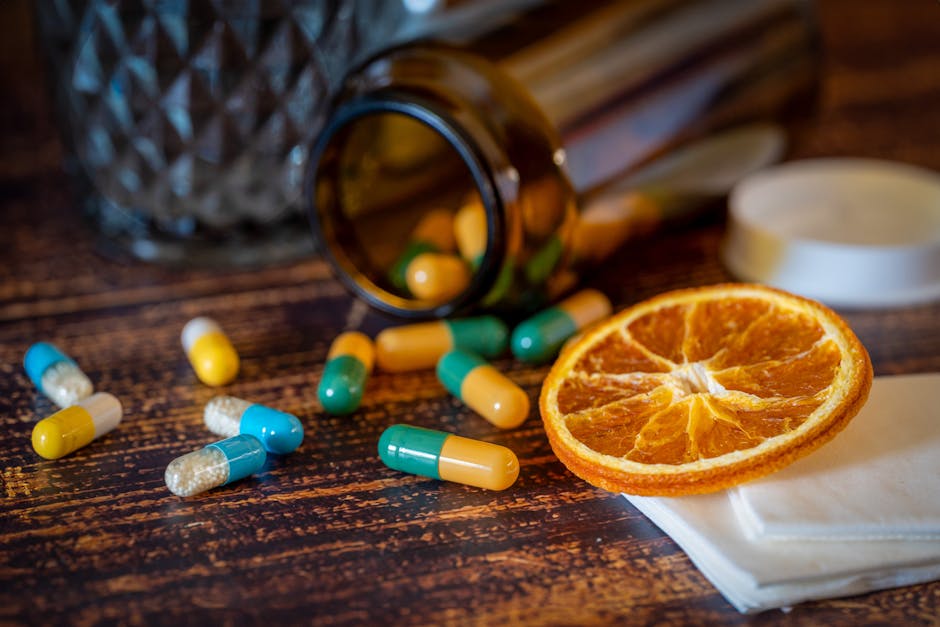
Garden of Life is one of those brands you see everywhere, especially if you shop for vitamins or probiotics. Their labels pop up at health food stores, big chains, and even your neighborhood online supplement retailer. The demand for some of their products—like their bestselling Prenatal Probiotics and women’s probiotics—has been consistently high. That’s why so many people are asking a pretty straightforward question: Why are Garden of Life products out of stock everywhere lately?
If you’ve been hunting for a bottle of their probiotics or a jar of multivitamins and keep seeing “sold out” signs, you’re not alone. Over the past year, there’s been a steady stream of complaints online about stores running out, websites running low, and big sellers explaining that things won’t be restocked for weeks, if not longer.

It’s Happening to Their Most Popular Products
It’s not like every single Garden of Life item has vanished, but the out-of-stock notices hit hardest on the products people search for the most. Prenatal Probiotics, their women’s once-daily probiotic, and some raw vitamin blends have become especially tough to find.
You might see alternatives filling the shelf, but if you’re looking for a specific formula or a supplement you’ve been using throughout your pregnancy, those missing bottles feel extra frustrating. People share stories about calling five different stores or refreshing pages on Amazon or iHerb, only to find the button still says “Notify Me.”
What’s Actually Causing the Shortages?
There’s not one big, dramatic reason. Instead, it’s kind of a pile-up of smaller problems that turn into a big mess for shoppers. First and foremost, Garden of Life’s own customer service admits that it’s mostly about manufacturing delays.
In March 2024, several people posted that Garden of Life emailed them to explain “manufacturing delays” had paused production of things like Prenatal Probiotics. They even gave a return date—products might appear again by the second week of April—but that doesn’t really help someone needing it now. And it turns out, these hiccups aren’t a random event: lots of folks say this has happened “multiple times” just in the past year.
Manufacturing Delays Keep Popping Up
Any big supplement brand has to manage a tangle of factories, ingredient suppliers, and regulations for health products. Garden of Life seems to have hit more roadblocks lately with bottlenecks in production. It’s not just that one machine broke down; it’s more the ripple effect when you’re trying to keep up with huge demand plus quality standards.
Sometimes, when products finally ship out, customers complain about getting bottles with expiration dates only a month or two away. This leads people to wonder if Garden of Life is clearing out old inventory just to fill shelves during shortages. It doesn’t help when someone says, “I waited two months for my backorder, and now my vitamins expire in six weeks.” There’s a trust issue creeping in along with the frustration.
No, Most Items Aren’t Discontinued—Just Out of Stock
Rumors spread fast, especially in supplement forums. Some say, “they must be discontinuing the product!” But Garden of Life has gone on the record, replying to complaints that their most-wanted items—like Prenatal Probiotics—are not discontinued. They have a list of discontinued items, and those high-demand SKUs aren’t on it. Still, their complaints page shows the same cycle: out of stock, then short returns, then out again.
There may be small differences in which SKUs or sizes are missing. Sometimes, certain flavored versions or package sizes actually do get phased out, muddying the story and confusing shoppers.
Looking at Deeper Business Changes: Corporate Acquisitions
Most shoppers never follow who owns their favorite vitamin company, but big business deals make waves in the background. Back in 2017, Nestlé bought Garden of Life. Almost overnight, some small retailers pulled the entire brand from their stores. Some said they didn’t want to support Nestlé or were worried about what a mega-corporate parent would do to quality and sourcing.
Garden of Life even responded publicly at the time, emphasizing that Nestlé could help them scale up USDA Organic and Non-GMO production better than they could alone. But the corporate takeover still changed how and where you could buy the brand, and some longtime suppliers never restocked.
A bit earlier, in 2011, another company called Atrium Innovations scooped up Garden of Life, too. This kind of business shuffle can gum up the works while companies blend manufacturing, distribution, and supply chains. In the long run, Atrium helped scale things up, but those early months after the acquisition definitely brought some hiccups.
How These Changes Affect What Shows Up on Shelves
Every time a new parent company gets involved and tries to modernize systems, you get growing pains. There are distribution contracts to rewrite, factories to re-tool, and sometimes product lines that get dialed back or tweaked to fit new strategies.
After the Nestlé deal, it’s not just speculation—some natural health shops explicitly announced they’d stopped selling Garden of Life. Their customers had to start looking for alternative brands like MegaFood or North American Herb & Spice. It’s part protest, part logistics: fewer retailers carrying the product means less inventory in your area, which can make the remaining bottles sell out faster.
On top of it all, the supplement market has exploded across online channels. High-traffic sites can sell out of hot items in hours, especially during sales or after a good review goes viral. Stock runs out quicker now than in the past, just from pure demand.
Secondary Markets and Price Increases
When a well-loved supplement goes missing from the usual retailers, people start looking anywhere they can. This creates a mini wild-west on secondary markets. You might see a bottle of probiotics listed at double or triple the normal price on sites like eBay. Sometimes, sellers try to make a quick buck off of shortages, listing “hard-to-find” stock or buying up what’s left just to flip it for profit.
Of course, that tactic isn’t exclusive to supplements—it’s just more obvious when the product being resold is the very one doctors tell you not to skip, like a prenatal probiotic. Not everyone feels comfortable buying vitamins from a third party.
Where Things Stand Right Now
As of the past year, there’s no huge announcement that everything is back to normal for Garden of Life’s popular probiotics. Shoppers still report “out of stock” on both the company’s own website and on large sites like Amazon, iHerb, and Walmart.
A few alternatives are filling in the gaps. Smaller brands have stepped up, and some retailers, like Spirit of Health, switched to other probiotic brands once Garden of Life was sold to Nestlé, explaining that their customer base preferred sticking with independent names.
For people trying to restock, the company has been encouraging customers to check back regularly and sign up for restock emails. That’s not exactly a solution if you’re hoping to just grab your usual bottle at the store, but it’s something. Other shoppers have started using inventory trackers or Google alerts to find stock drops.
There’s a practical tip here for anyone in this position: reach out to a few different sellers, including lesser-known vitamin shops. Some luck out finding fresh product at regional retailers while the big sites are out.
What Should Shoppers Do Next?
If you’re feeling worn out by the search, you’re not alone. Keep in mind that while high-demand products like Prenatal Probiotics are tough to find in 2024, Garden of Life says these are still active parts of their lineup.
The best bet is to keep tabs on the Garden of Life website and major sites like Amazon or iHerb. Don’t ignore local stores or phone calls, either—sometimes a smaller or regional retailer will get inventory before the bigger names. Sign up for back-in-stock notifications, but also be willing to check out similar brands if timing is critical.
If you need a product soon and can’t wait, comparing ingredient labels on recommended substitutes is smart, especially if you have specific dietary needs or are pregnant. There’s a useful blog on alternative supplement brands at Lime Entrepreneur, which keeps a running list of options when your usual is out.
The Bottom Line: Ongoing Problems But Also Workarounds
Garden of Life isn’t the only supplement company to hit supply bumps, but the perfect storm of high demand, manufacturing hiccups, and changes in ownership has made these shortages especially noticeable. Sometimes, you’ll see fresh stock come back, only to run out again within a single week.
The issues don’t seem fully resolved as of mid-2024, so for now, patience—plus a bit of creativity in sourcing—remains the name of the game. If you’re set on a certain product, check directly with stores or the company before making a special trip. And keep an eye on prices—nobody likes paying double for something that usually goes for half. For most people, it just comes down to planning ahead, staying flexible, and asking questions until things settle down.