If you’ve spent any time searching for Actistatin lately—whether for your dog or horse—you’ve probably run into a lot of “out of stock” notices. It’s not just one or two shops, either. Almost every big pet retailer seems to have Actistatin on backorder or unavailable, and nobody is saying exactly when it will come back.
So what’s going on? If you’re used to seeing this supplement in your vet’s office, on Chewy or Walmart, or at specialty pet supply stores, you’re not alone in being confused. Let’s take a straight look at the current Actistatin shortage, why it’s happening, and what you can do in the meantime.


What Is Actistatin, Exactly?
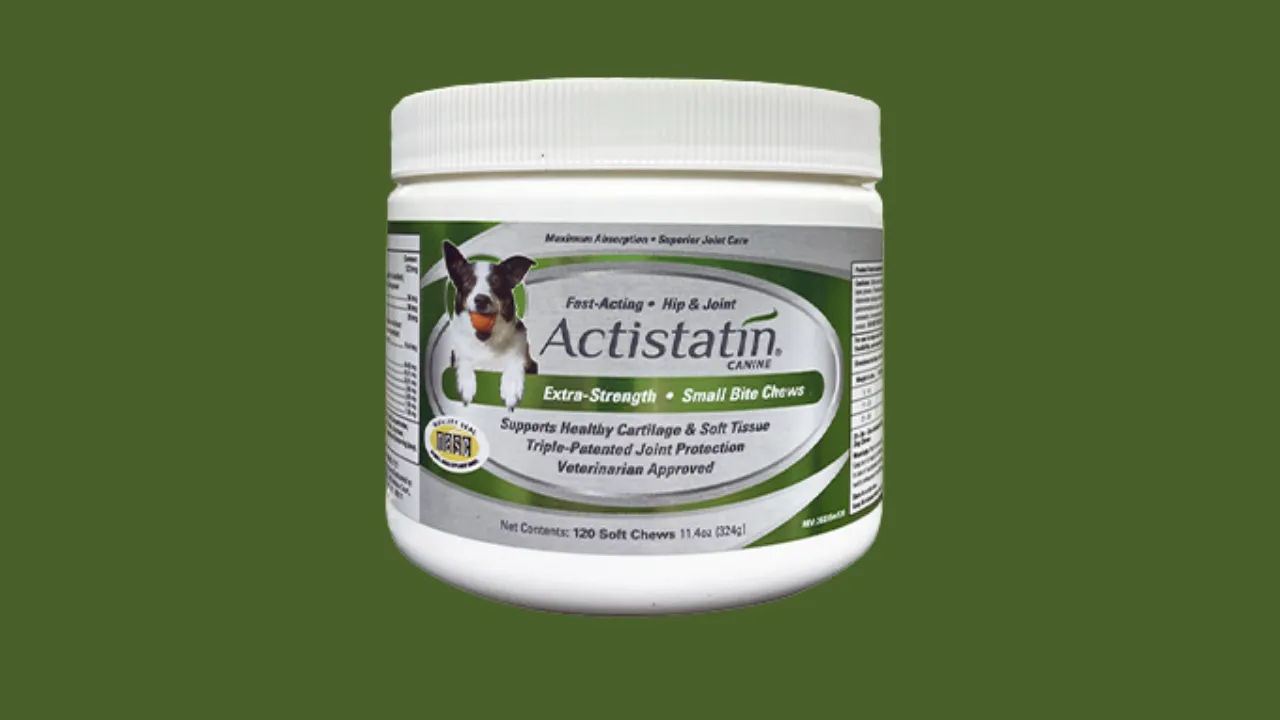
Actistatin is a joint health supplement for pets (mainly dogs and horses). It’s popular because it offers a blend of glucosamine, chondroitin, and hyaluronic acid—three ingredients pet owners often look for to support mobility, especially in aging animals.
The formula is known to be “clinically proven,” at least according to marketing, and a lot of vets like it because it seems well-tolerated by most dogs and horses. You mix it with food or give it as a chew, and over a few weeks, many pet owners say they see their animals moving easier.
But all that doesn’t matter much if you can’t get your hands on it.
What’s Actually Happening With Availability?
If you run a quick Google search for Actistatin, you’ll spot a pattern right away. Retailers across the US—and even some in Canada—show it as “out of stock,” “no longer available,” or simply removed from their listings.
VetRxDirect, a trusted online vet pharmacy, calls it “No longer available” and doesn’t give any expected restock date. Harmany Equine, which serves the horse community, lists the equine version as sold out without a hint of when it comes back.
Meanwhile, the StartBusinessStory site mapped out the issue, confirming via several sources that online shops and even some vet clinics can’t get restocks. If you go to GLC Direct (the manufacturer’s website), you’ll notice that their related GLC formulas are also out—so it’s not just an issue with one flavor or product line.
You’ll even notice that huge retailers like Walmart and EntirelyPets shuffle shoppers toward other brands or “suggested substitutes” once you try to buy Actistatin. Walmart usually redirects you to alternatives like Duralactin. EntirelyPets still lists Actistatin, but if you try to add it to the cart, you usually hit a dead end or there’s no shipping option.
Some Canadian websites, like actistatin.ca, are still advertising the product, but skip any mention of stock issues. That’s likely because their supply is focused solely on the Canadian market, or maybe their leftover stock hasn’t run out yet.
Why Is There a Shortage in the First Place?
At the moment, there isn’t a single clear answer from the Actistatin manufacturer (GLC Direct) or the company’s official spokespeople. Nobody has put out a press release. All the signs point to a mix of industry-wide issues—some pretty familiar if you’ve watched supply chain headlines since 2020.
Here’s what seems to be happening, based on reports:
1. Supply Chain Problems—The Main Suspect
A shortage of key raw ingredients is likely the main driver. Most high-quality pet joint supplements rely on glucosamine, chondroitin, and hyaluronic acid. Producers of these ingredients have had serious struggles meeting demand due to slowed manufacturing overseas, shipping delays, and even raw material hikes.
Packaging is another surprising hitch. Shortages in things like plastic jars and printed labels have bogged down the entire pet supplement market. If you can’t bottle or label products, you can’t ship them, no matter how much powder you have made.
These bottlenecks are hurting nearly every supplement maker, not just Actistatin. If you look up news in the pet supplement world, you’ll see similar complaints from other popular brands.
2. Manufacturing Slowdowns or Maintenance
There’s also reason to believe the physical production lines are having issues. Whether it’s needed maintenance at the facilities, longer QA checks to keep things consistent, or just slower runs due to labor shortages, these all trickle down to the shelves.
A lot of the time, companies plan maintenance months in advance, but sometimes unexpected snags push production behind schedule. Multiple retailers have reported that their orders are either “delayed indefinitely” or on “hold” which usually means something at the production level isn’t going smoothly.
3. Business and Brand Changes (Maybe)
Sometimes, companies quietly change ownership, switch contract manufacturers, or are rebranding behind the scenes. This can take months. While there’s no evidence of a big buyout in this case, this kind of shuffle can freeze supply chains while contracts get finalized or old stock runs out.
Still, with no big news bulletins or public filings, this remains just speculation for now.
No Signs of Safety Recalls or Contamination
Worried pet owners have wondered if the Actistatin shortage is about more than just logistics—like a recall or safety scare behind the curtain. We looked into FDA data and veterinary health agency warnings, but there’s absolutely nothing about a problem with Actistatin itself. The shortage isn’t because of a bad batch or contamination scandal.
So if your dog or horse did well on Actistatin and you’re anxious about switching, there’s no reason to suspect the product itself is unsafe or “banned.” It just isn’t being made or shipped in enough quantity right now.
Demand for pet supplements has gone up, sure, but that alone wouldn’t explain why there’s near-total silence about restock dates at every store. It’s more likely that upstream problems—ingredients, packaging, manufacturing, or maybe a quiet company change—are the main reason.
What Are Your Options in the Meantime?
While waiting for Actistatin to show up again, you aren’t totally out of luck when it comes to helping your pet’s joints.
Here are some routes to try:
1. Look into Substitutes
Many pet supplement brands offer similar ingredient blends to Actistatin—think joint chews with glucosamine, chondroitin, and hyaluronic acid. Duralactin is one brand that comes up often as an alternative on big retail sites. Just double-check the actual ingredient list and talk to your vet about what makes sense for your animal’s specific needs.
2. Talk Direct to Manufacturers or Third Party Sellers
Sometimes specialty shops or the manufacturer’s regional outlets have leftover stock that isn’t advertised on bigger platforms. A few people have snagged the last tubs or boxes by contacting GLC Direct or, for Canadians, using actistatin.ca directly. It’s a shot in the dark, but for now, every avenue is worth a try.
3. Use Stock Alert Tools
Retailers like VetRxDirect or even Amazon let you set email alerts or wish lists so you’ll get notified once the product is back in stock. If you’re actively managing a pet’s joint problems, it’s worth setting these up—you’ll be near the front of the line if things change.
4. Monitor Industry News and Updates
Occasionally, business blogs or supply chain news sites cover restocks, manufacturer updates, or ingredient sourcing trends. Keeping an eye on places like limeentrepreneur.com can give you an early tip when things start to improve or when new alternatives hit the market. It’s not a magic fix, but it keeps you in the loop.
5. Most Important—Connect With Your Vet
If your dog or horse was doing great on Actistatin, don’t try to piece together a solution on your own. Let your veterinarian know about the shortage. They can usually recommend a good substitute and make sure your transition makes sense for your pet’s age, weight, and ongoing needs.
Is This Shortage Permanent?
Shortages like this have happened before—especially since 2020. When supply chains snarl, products go missing for weeks or even a few months, but rarely is it the end of the line.
With no recall or safety crisis involved, and with so many similar formulas affected, this feels like a “wait it out” problem. Industry insiders say most supply disruptions last between one and six months, depending on the root cause. If ingredient shipments catch up and packaging hurdles get solved, Actistatin could quietly return to shelves just as suddenly as it disappeared.
The Bottom Line: What Happens Next?
Actistatin’s current absence from the market seems to be a classic case of modern supply chain snarls, not a problem with the product itself. Ingredient shortages, packaging hiccups, and maybe some behind-the-scenes business moves appear to be the core issues.
No official word means a lot of us are in guessing mode, but all signs point to logistics, not safety, as the culprit. Your best move is to talk to your vet, keep an eye on trusted retailers, and consider close alternatives for now.
When the dust settles, it’s likely Actistatin (or a slightly tweaked version) will return to shelves. Until then, keeping your pet comfortable and working with your vet is the best move in this waiting game.